If that pattern sounds familiar, the question is not which method is better. It is which one matches what is actually inside your line.
What drain snaking actually does
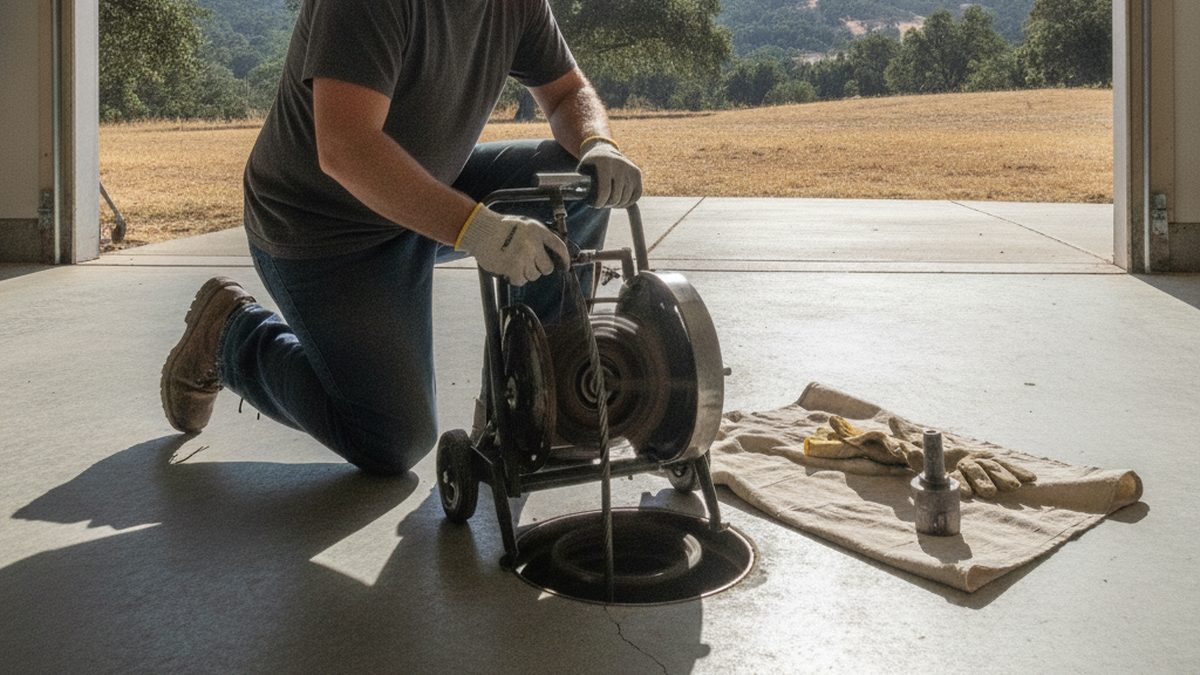
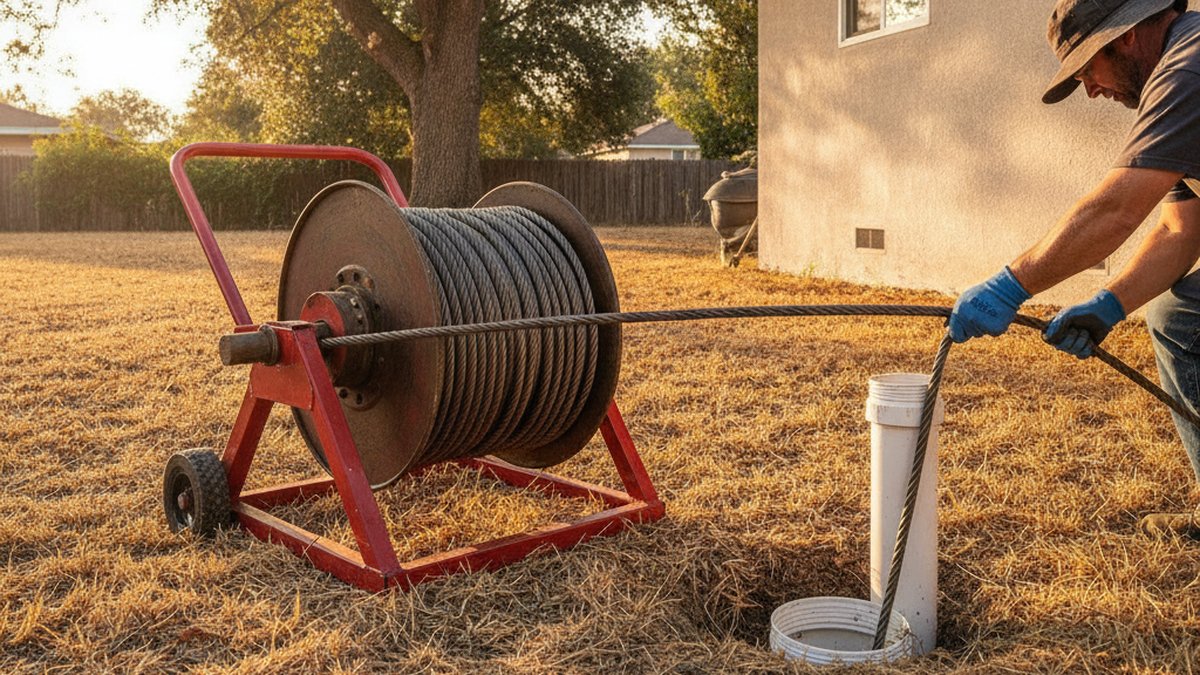
A drain snake, or cable machine, feeds a flexible steel cable down the line and spins a cutting head at the obstruction. It bores through the blockage and, on a soft clog, pulls a good deal of it back out.
For a single slow fixture — one bathroom sink, one tub, a kitchen line that gummed up over a holiday weekend — cabling is the right call and usually the cheaper one. It is fast, it works through a cleanout or a fixture opening, and it does not require the line to be in any particular condition beforehand.
Its limit is geometry. The cable follows the path of least resistance, so it opens a channel roughly the width of the cutting head. On a six-inch line lined with half an inch of hardened scale, that channel is a fraction of the pipe's design capacity, and the line is back to backing up as soon as normal use resumes.
What hydro jetting does differently
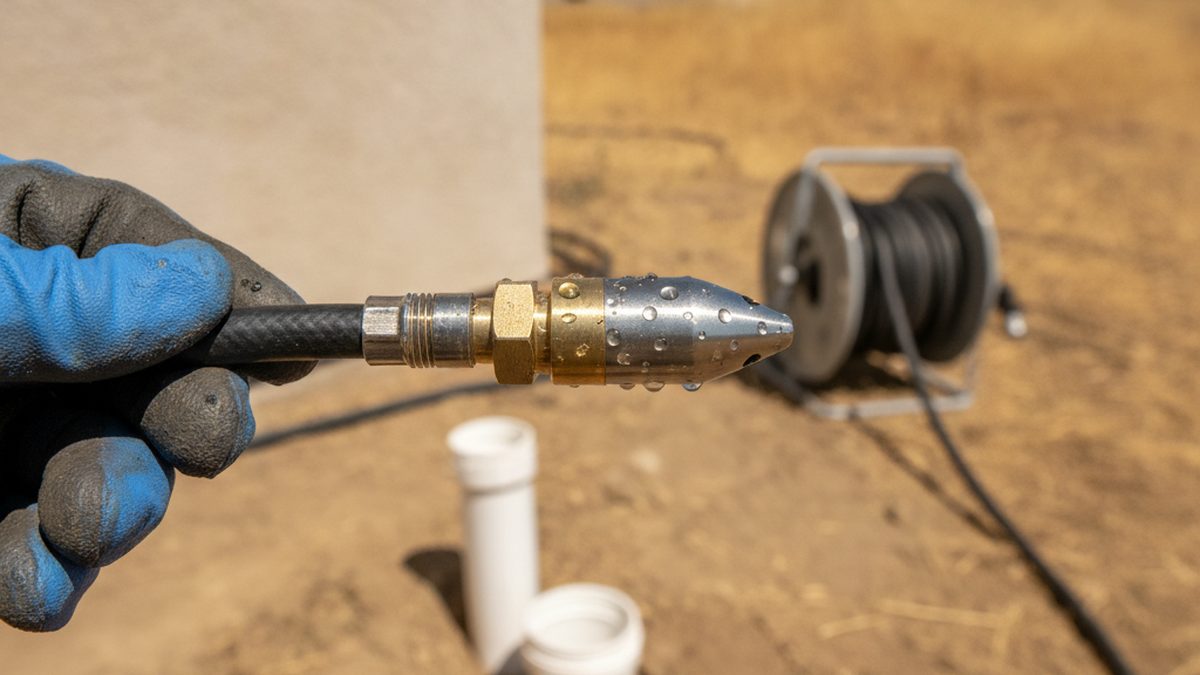
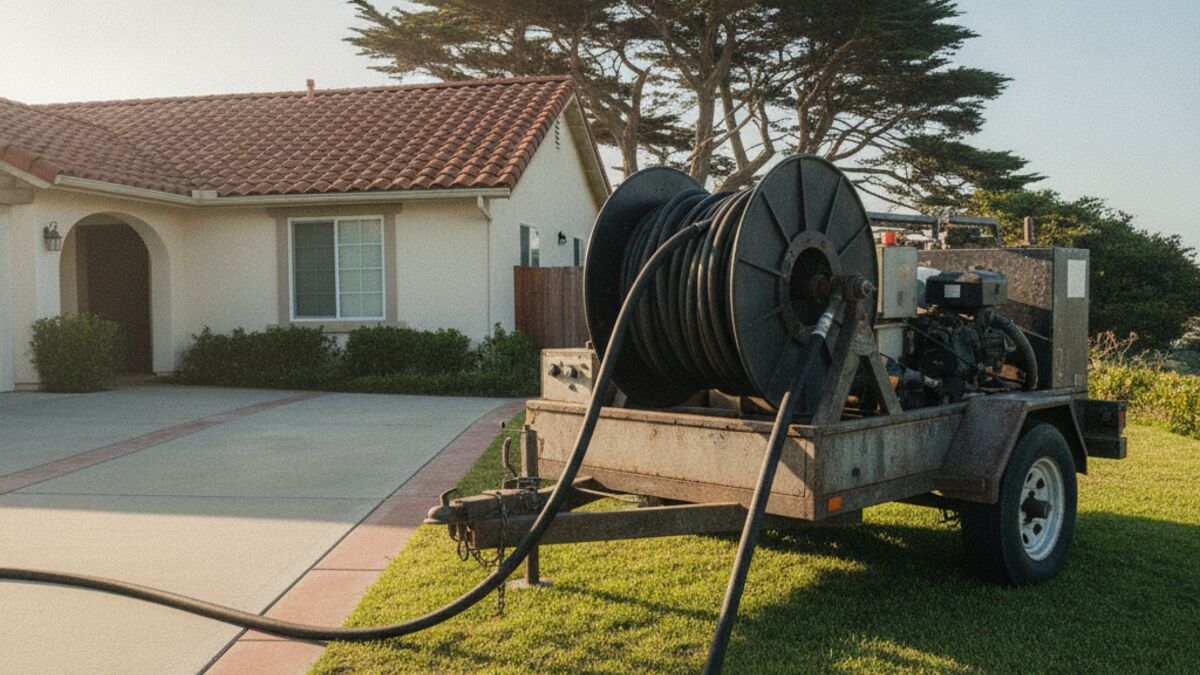
Hydro jetting runs high-pressure water through a nozzle that directs most of its force backward against the pipe wall. It cuts forward through the blockage and then, as the hose is drawn back, strips the interior surface — grease film, mineral scale, sludge, and root hair — and flushes the debris downstream.
The result is a pipe restored to something close to its original diameter rather than a hole through the middle of the problem. That matters most on lines carrying grease from a kitchen, on commercial food service lines, and on any main that has been cabled more than once in the same year.
Why a camera inspection comes first
Jetting an unknown pipe is a gamble worth avoiding. High-pressure water in a line that already has a cracked hub, an offset joint, or a section of deteriorated cast iron can make a modest defect into an excavation.
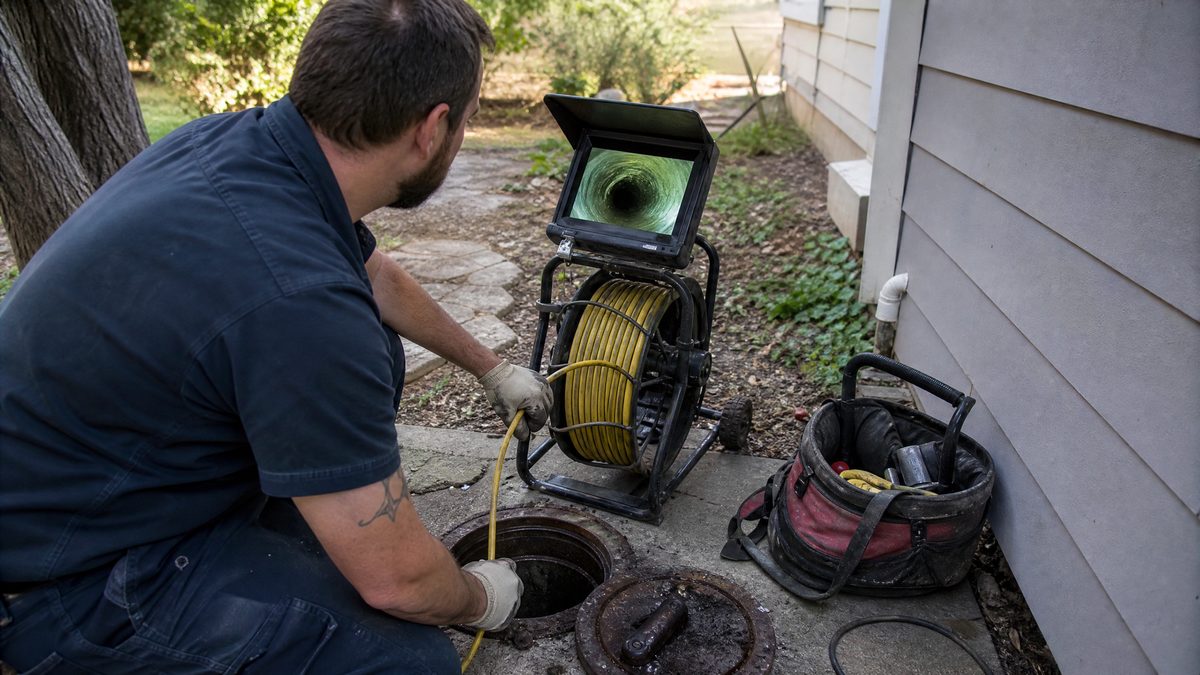
A sewer camera inspection shows pipe material, diameter, where the blockage sits, and whether the line is structurally sound enough to jet. It also tells you the difference between a maintenance problem and a repair problem — a line failing because of grease is a cleaning job, and a line failing because of a collapsed section is not, no matter how many times it gets cleared.
The Hollister factor: old laterals and hard water
Two local conditions push more Hollister lines toward jetting than you would expect from the national averages.
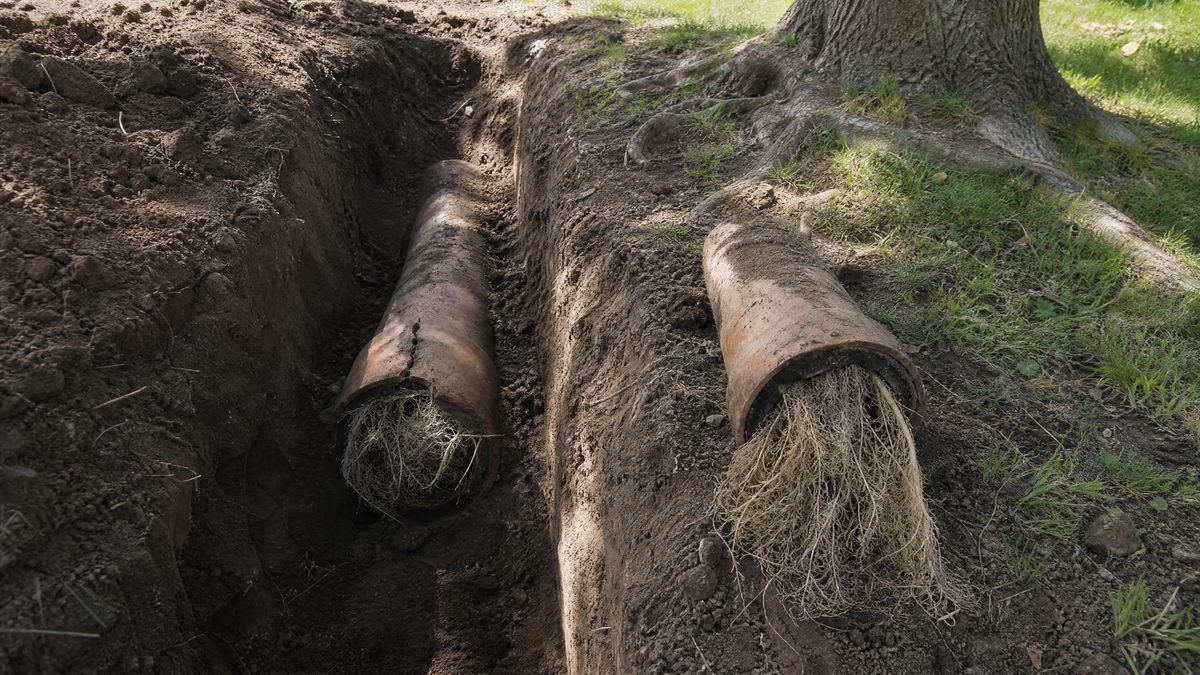
The first is pipe age. Established neighborhoods here run sewer laterals in vitrified clay and cast iron, both installed in jointed sections. Joints move, joints separate slightly, and roots find them. This is not a minor contributor: a review of tree root intrusion in sewer systems published in the Journal of Infrastructure Systems reports that roots are responsible for more than 50% of all sewer blockages. A cable cuts root mass back to the pipe wall; it does not clear the fine root hair that regrows fastest.
The second is water chemistry. San Benito County water is hard, and hard water deposits mineral scale on the inside of drain and sewer lines the same way it does inside a water heater. Scale narrows the effective diameter year over year, which is why a line that drained fine for a decade starts backing up under unchanged household use. Scale is exactly what a cable cannot remove and what high-pressure water can.
If your home is older, on a mature street with large trees, and you have had the main cleared more than once, both conditions likely apply to your line at the same time.
What it costs, and how to compare it
Hydro jetting costs more per visit than cabling. The equipment is more expensive, the job takes longer, and it usually includes the camera work that tells you it is safe to do.
The comparison that matters is not one jetting against one cabling. It is one jetting against the cabling visits you would otherwise book over the next several years, plus the risk of a backup happening at the worst possible moment. On a line with recurring failures, jetting is generally the cheaper position within two to three cycles. On a line that has clogged once, it is not — cable it, and see whether it comes back.
How to tell which one you need
Cable it if: one fixture is affected, this is the first occurrence, and the rest of the house drains normally.
Jet it if: multiple fixtures are backing up, the line has been cleared before in the last year or two, you are on an older lateral, or a camera shows grease or scale rather than a structural break.
Not sure which category you are in? That is what the camera is for, and it is the right first step either way.
DAE Plumbing has worked on Hollister's sewer lines since 2018 — old laterals, hard water, and all. If your drains keep backing up after they have been cleared, we can look at sewer and drain cleaning or hydro jetting sewer lines in Hollister and tell you which one your line actually needs. Estimates are free.