DAE Plumbing installs and services commercial plumbing systems in Hollister and the surrounding five-county area, including ground-up commercial builds, restaurant and food service plumbing with grease systems, tenant improvements, and multi-unit housing developments. The company is licensed, bonded, and insured, coordinates directly with general contractors, and provides free estimates.
When You Need a Commercial Plumbing Contractor
Commercial plumbing carries requirements residential work never touches, and the cost of getting it wrong is measured in failed inspections, delayed openings, and health department findings. You need a commercial plumbing contractor when you are building a commercial shell from the ground up, converting or improving a tenant space, opening or renovating a restaurant, or developing multi-unit housing.
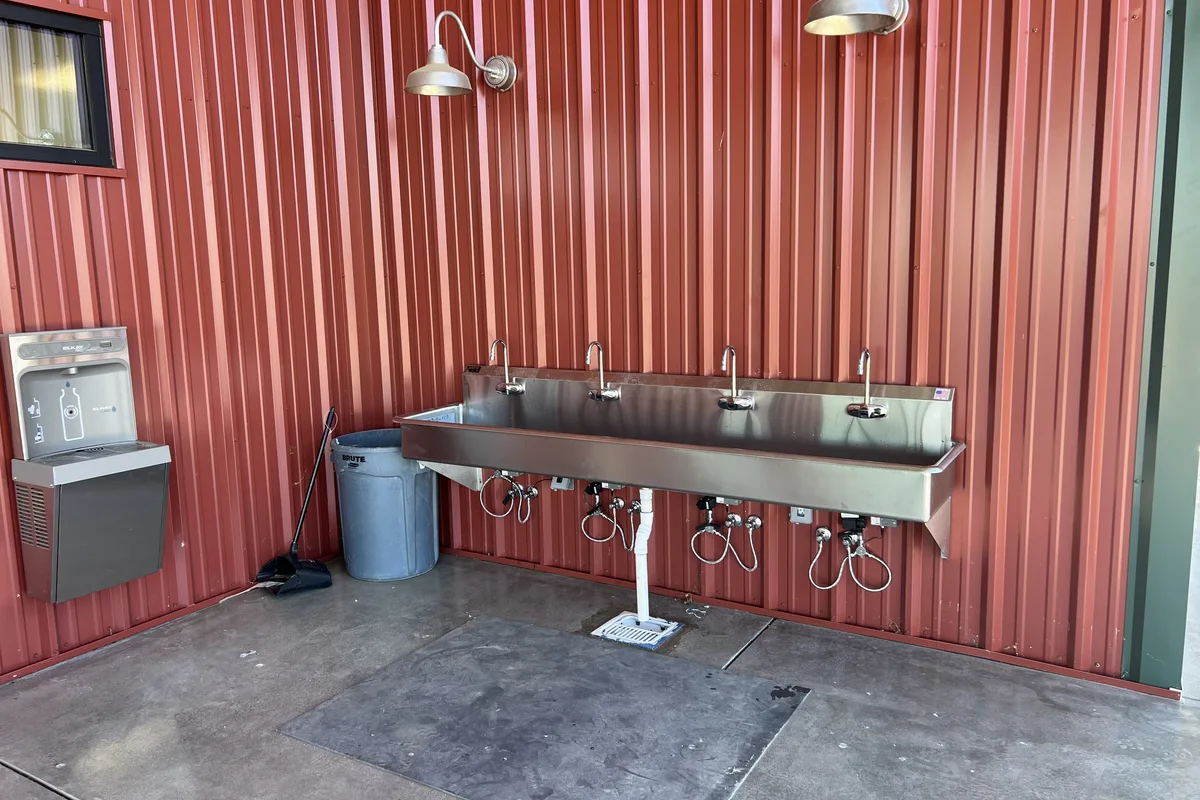
- Restaurants and food service spaces are their own discipline: health and building codes govern grease interceptors and grease systems, high-demand water lines must serve dish machines and prep sinks simultaneously, and fixture layouts must satisfy both the health department and the plumbing inspector. Multi-unit projects demand consistent, code-compliant systems that perform identically across every unit, with the metering, isolation, and access provisions that make the building manageable for decades.
- Property managers also bring us in for ongoing service, backflow considerations, fixture upgrades, water heater and boiler replacements, and the recurring drainage maintenance that keeps commercial kitchens open.
If your project has a general contractor, a plan set, and a deadline, that is exactly the environment our crews work in every week.
Scoping a commercial build, tenant improvement, or restaurant project on the Central Coast? Get our crew's eyes on the plans early.
📞 Call (831) 801-1079Mon-Fri 7am-5pm, weekends by appointment
What the Process Looks Like
Commercial work starts on paper. We review the mechanical plans and fixture schedules, price the full scope, and flag conflicts or code issues before they become change orders.
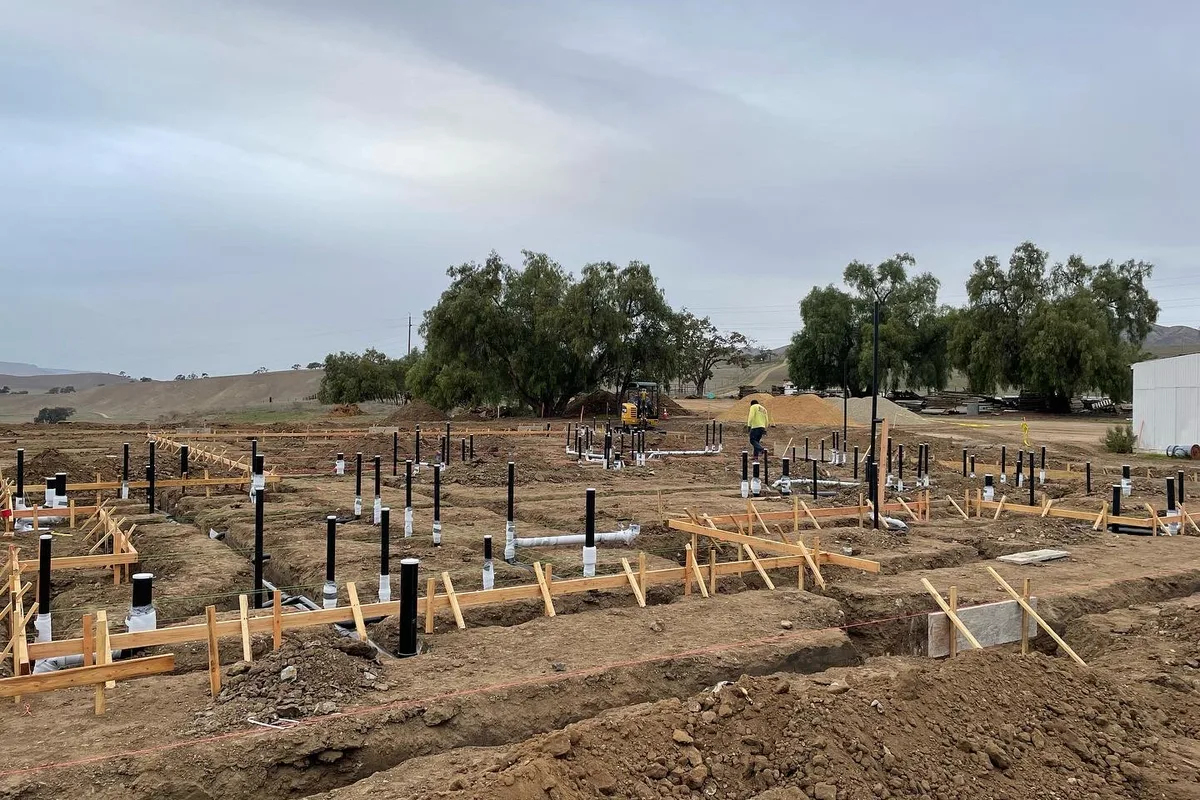
- On site, the sequence mirrors the construction schedule: underground utilities and drainage first, trenched and inspected before slab; rough-in through the structure as framing progresses; equipment setting and trim as finishes complete; and testing, inspection, and commissioning at the end. Restaurant projects add grease interceptor sizing and installation, gas piping for cooking lines, indirect waste for food equipment, and the coordination with health department requirements that food service demands.
- Multi-unit projects add unit-by-unit consistency checks, riser and metering layouts, and phased inspections. Throughout, we coordinate directly with the general contractor and project team, an approach our project partners know us for, because commercial schedules only hold when every trade communicates.
We close out with documentation and a system walkthrough so facilities staff know what was installed and where every isolation valve sits.