High static pressure is one of the few plumbing problems that damages everything at once rather than one thing badly.
There Is an Actual Ceiling
This is not a matter of preference. The Uniform Plumbing Code, at section 608.2, sets it out plainly:
> "Where static water pressure in the water supply piping is exceeding 80 psi (552 kPa)" > ... "an approved-type pressure regulator preceded by an adequate strainer shall be > installed and the static pressure reduced to 80 psi (552 kPa) or less"
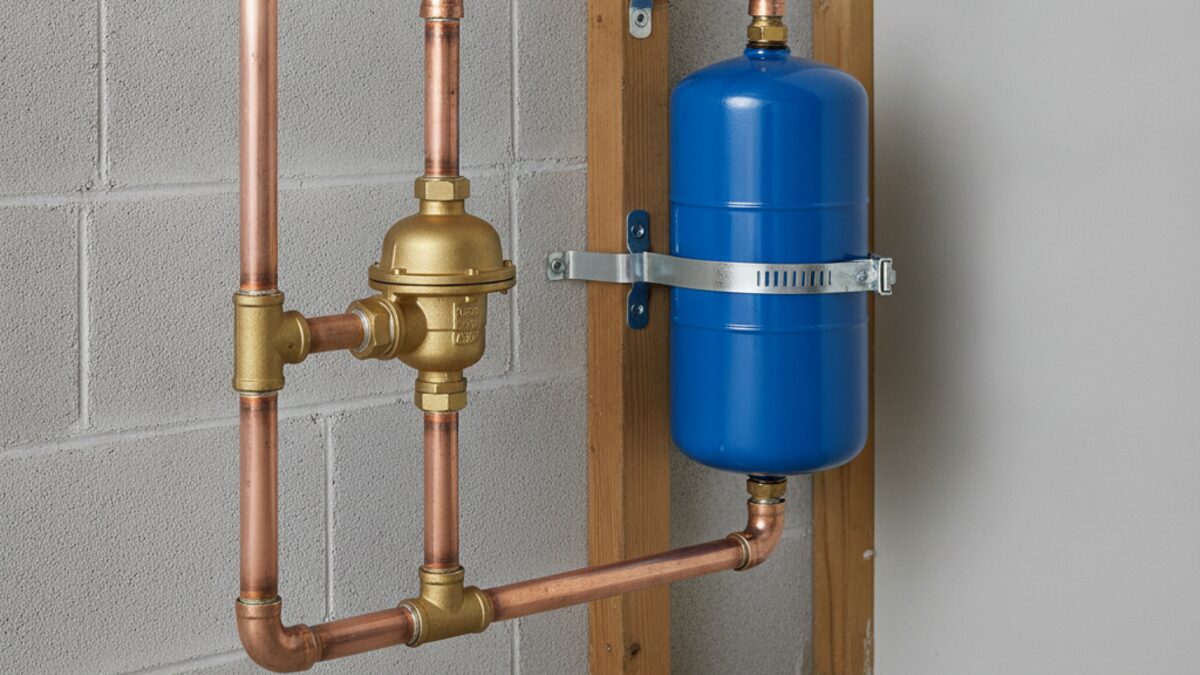
The same section requires that "An approved expansion tank shall be installed in the cold water distribution piping downstream of each such regulator to prevent excessive pressure from developing due to thermal expansion" — which matters more than it sounds, and is covered further down.
California's plumbing code is built on the Uniform Plumbing Code, but adoptions and local amendments vary, so your building department is the authority on what applies to your address. The 80 psi figure is the number to have in mind when you measure.
Measuring It Takes Five Minutes
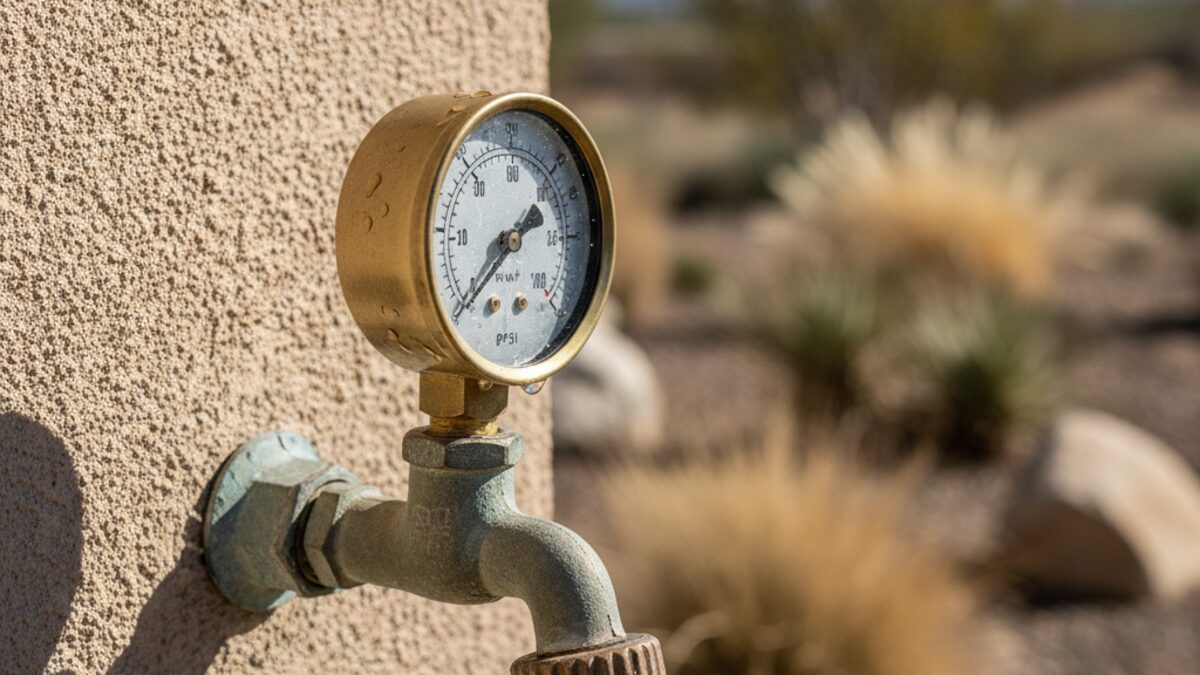
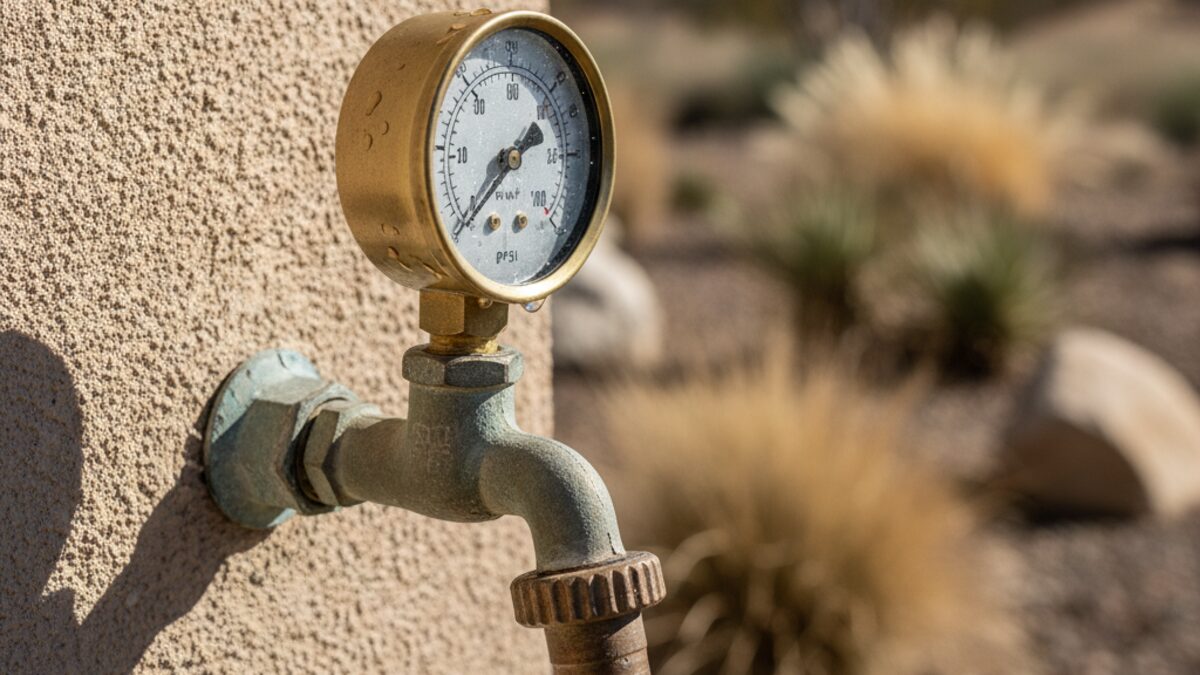
A threaded pressure gauge costs very little and screws onto any hose bibb.
Do it with everything inside off — no taps running, no irrigation, no washing machine, ideally nobody using water anywhere in the house. That gives you static pressure, which is the number the code is talking about.
Take a reading in the evening as well as during the day. Municipal pressure often rises overnight when demand across the system drops, and a house that reads acceptably at 2pm can be well over the ceiling at 2am — which is exactly when nobody is awake to notice a supply line letting go.
What It Actually Costs
The damage is cumulative and spread out, which is why it so rarely gets attributed correctly.
Fill valves and fixture cartridges wear out early. These are the first casualties. Toilets that run, taps that drip shortly after a cartridge change, shower valves that fail young.
Flexible supply lines fail. The braided connectors behind toilets, under sinks and on the washing machine are rated for a range. Sustained high pressure shortens their life, and their failure mode is not a drip.
Appliances take it too. Dishwashers and washing machines have inlet valves, and they are not built for indefinite excess.
The water heater suffers twice — once from the pressure itself and once from thermal expansion having nowhere to go, which shows up as a relief valve that weeps or discharges periodically. If yours does that, pressure is the first thing to check, not the valve.
And you pay for the water. Every open tap delivers more than it needs to, every time.
The Fix, and the Part People Miss
The remedy is a pressure regulator on the incoming supply, set to bring the house within range. On a home that never had one, that is a straightforward job at the point the supply enters.
Regulators are also a wear item. They have a diaphragm and a spring, they drift out of adjustment, and eventually they fail — often by letting full street pressure through, which is why a house that had acceptable pressure for years can suddenly not. If there is already a regulator and the reading is high, the regulator is the suspect rather than the water company.
The part that gets missed is the expansion tank. Once a regulator is fitted, the system becomes closed: water that expands as it heats can no longer push back into the main. That expansion has to go somewhere, and without a tank it shows up as pressure spikes and a relief valve doing its job repeatedly. The code language above requires the tank for exactly this reason, and a regulator installed without one simply trades a continuous problem for an intermittent one.
When to Check Yours
- After any fixture fails early, particularly a second or third one. - If the water heater relief valve discharges at all. - If you hear a bang when a tap or appliance shuts off. Water hammer is a related symptom and often travels with high pressure. - Before leaving the house empty for a stretch. High pressure is hardest on the connections most likely to let go while nobody is home. - If you have just moved in, since you have no history to compare against.
Worth Doing Once
A gauge reading takes five minutes and tells you whether any of this applies. If it reads comfortably under the ceiling, you can stop thinking about it. If it does not, you have found the common cause behind a set of problems you were treating separately.
DAE Plumbing handles plumbing repairs including pressure regulators across Hollister, Gilroy, Morgan Hill and the Central Coast. We are licensed and insured, CA Lic. #1047507, and estimates are free.
Call (831) 801-1079, or (408) 728-2856 for Gilroy, Morgan Hill and San Jose.